Buy bqd.eu ?
We are moving the project
bqd.eu .
Are you interested in purchasing the domain
bqd.eu ?
domain@kv-gmbh.de · 0541-91531010
Buy bqd.eu ?
What is a glycosidic bond?
A glycosidic bond is a type of covalent bond that joins a carbohydrate molecule to another group, which can be another carbohydrate or a non-carbohydrate molecule. It is formed through a condensation reaction between the hydroxyl group of one molecule and the anomeric carbon of another molecule, resulting in the loss of a water molecule. Glycosidic bonds are important in the structure of carbohydrates, such as in forming disaccharides like sucrose or polysaccharides like starch. **
What is the glycosidic bond in sucrose?
The glycosidic bond in sucrose is a type of covalent bond that links the glucose and fructose molecules together. It is a specific type of linkage known as an alpha-1,2-glycosidic bond, which forms between the carbon-1 atom of glucose and the carbon-2 atom of fructose. This bond is responsible for the formation of the disaccharide sucrose, which is commonly known as table sugar. **


Similar search terms for Glycosidic
Top-Angebote
Products related to Glycosidic:
-
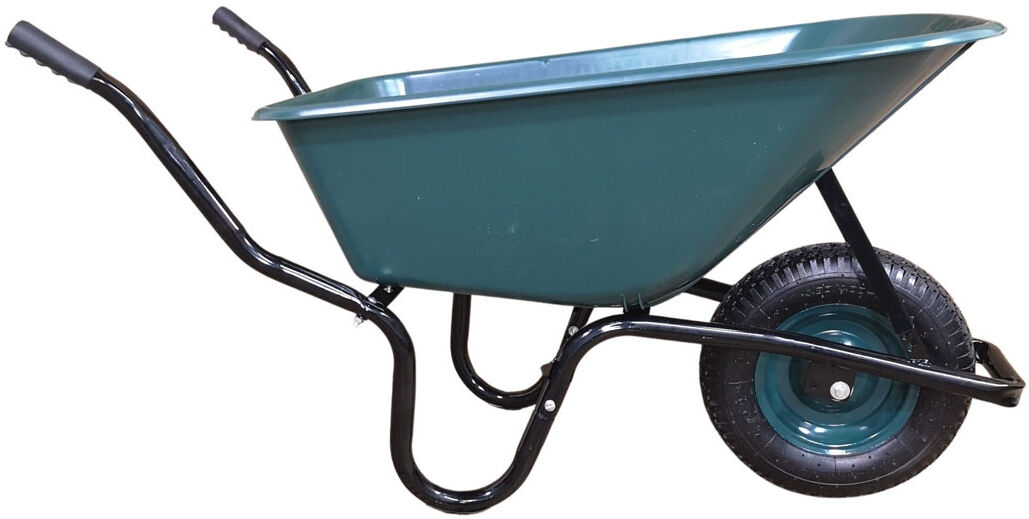
Dakota Fields Gardening Tools Green 35cm H X 94cm L X 35cm DThis Heavy Duty Plastic Garden Wheelbarrow in Green is a reliable and durable option for your outdoor gardening needs. With a generous 110-litre capacity, this wheelbarrow is perfect for moving large amounts of soil, plants, and other garden materials. The plastic used in its construction is 40% thicker than standard, ensuring a long lifespan and resistance to wear and tear. The 15" pneumatic tyre with a green wheel makes maneuvering this wheelbarrow easy and efficient. It can handle a maximum weight of 150kg, making it suitable for a variety of gardening tasks. Assembly is required, but the package comes with a full instruction manual to make it a breeze. The maximum inflation for the tyre is 210KPa / 30P.S.I. The bowl dimensions are approximately 94x54x35cm, while the axle dimensions are an internal hole of 120mm long by 19.5mm wide. This wheelbarrow is a must-have for anyone looking to rearrange their garden this summer! Dakota Fields62,99 £*Shipping: 0,00 £Secure redirect to the provider
-
Blue Elephant Gardening Tools Black 103.1cm H X 48.5cm L X 63.5cm DPrecision Cutting Performance: This 5 blade push reel lawn mower features a 14-inch wide cutting path, providing clean, even cuts for lawns, driveways, and courtyards. Enjoy professional results with every pass using this efficient manual mower Blue Elephant54,99 £*Shipping: 4,99 £Secure redirect to the provider


-
What is a glycosidic bond in sucrose?
A glycosidic bond in sucrose is a type of covalent bond that links the glucose and fructose molecules together. It is formed through a condensation reaction, where a molecule of water is removed to join the two sugar molecules. This bond is important for the structure and function of sucrose, as it holds the two sugar molecules together and allows for the storage and transport of energy in plants. **
-
Why is there a beta-1,4-glycosidic bond in lactose?
The beta-1,4-glycosidic bond in lactose is formed between the glucose and galactose molecules. This bond is important because it determines the structure and properties of lactose. The beta configuration of the glycosidic bond in lactose allows for the formation of a specific three-dimensional structure that is essential for its function as a disaccharide sugar found in milk. This bond also influences the way lactose is digested by the enzyme lactase in the human body. **
-
How to draw trehalose in a 2-11 glycosidic linkage?
To draw trehalose in a 2-11 glycosidic linkage, start by drawing two glucose molecules. Connect the first glucose molecule's carbon 2 to the second glucose molecule's carbon 1 with a glycosidic bond. This linkage represents the 2-1 glycosidic bond. Next, add another glucose molecule and connect its carbon 1 to the second glucose molecule's carbon 1 with a glycosidic bond. This linkage represents the 1-1 glycosidic bond. This structure represents trehalose in a 2-1,1 glycosidic linkage. **
-
How do you draw trehalose in a 2-11 glycosidic linkage?
To draw trehalose in a 2-11 glycosidic linkage, start by drawing two glucose molecules connected by an alpha-1,1 glycosidic bond. Then, draw another glucose molecule connected to the first glucose molecule in the pair by an alpha-1,2 glycosidic bond. This creates the 2-11 glycosidic linkage in trehalose. The resulting structure should show three glucose molecules connected in a linear fashion with the 2-11 glycosidic linkage between the first and third glucose molecules. **

How do you draw trehalose in a 2-11 glycosidic bond?
To draw trehalose in a 2-11 glycosidic bond, you would first draw two glucose molecules connected by an alpha-1,1 glycosidic bond. Then, you would add another glucose molecule to the first glucose molecule in the 2 position, forming a 1,2 glycosidic bond. Finally, you would add the last glucose molecule to the second glucose molecule in the 1 position, forming a 2,1 glycosidic bond. This structure represents trehalose in a 2-11 glycosidic bond. **
What are the differences between an ester bond and glycosidic formation?
An ester bond is formed when a carboxyl group of one molecule reacts with a hydroxyl group of another molecule, resulting in the formation of an ester and the release of water. This type of bond is commonly found in lipids and is important for energy storage. On the other hand, glycosidic formation involves the bonding of a sugar molecule to another molecule, typically another sugar or an alcohol, through the reaction between the anomeric carbon of the sugar and a hydroxyl group of the other molecule. This type of bond is important for the formation of carbohydrates and is commonly found in polysaccharides such as starch and cellulose. **
Top-Angebote
Products related to Glycosidic:
-
Picnic at Ascot Diamond Collection Gardening Tote with ToolsCasual Style defines this durable multi-pocket gardening tote. Set includes three top quality, heavy gauge stainless tools with comfort grip handles. Roomy interior is great for transporting supplies and side pockets have room for a beverage and...59,99 $*Shipping: 0,00 $Secure redirect to the provider
-
Outsunny Gardening Tools Grey 102cm H X 123cm L X 45cm DTake the hassle out of lawn care with this powerful Outsunny electric lawnmower. Its strong motor and long-lasting manganese steel blade cut evenly while the 50L grass bag or mulching mode keeps your garden neat. Adjustable handle and large wheels reduce strain, making mowing effortless and enjoyable. The detachable handle design ensures easy storage, letting you spend more time enjoying your beautiful, healthy lawn with comfort and peace of mind.- Powerful 1800W motor ensures fast, even cutting on small to medium lawns with this electric lawnmower; - 40 cm cutting width and manganese steel blade cover more ground per pass; - 6 adjustable cutting heights (25-75 mm) let you customise lawn appearance by season or grass type; - 50L grass collection bag reduces frequent emptying, while mulching mode returns clippings as natural fertilizer; - Ergonomic handle with 3 height settings (90-100 cm) minimizes back strain during use; - Large rear wheels make pushing and turning the electric lawnmower easy on uneven grass; - Dual safety start prevents accidental activation, keeping users and family protected; - Detachable handle design allows compact storage in garages, sheds, or car trunks;- Colour: Light Grey; - Material: PP, Mn Steel; - Overall Dimension: 123L x 45W x 102H cm; - Collection Bag Capacity: 50L; - Cutting Width: 40 cm; - Cutting Height: 25-75 mm; - Handle Height: 90-100 cm; - Front Wheel Size: Φ16 cm; - Rear Wheel Size: Φ24.5 cm; - Rated Power: 1800W; - Rated Voltage: 230-240V; - Switch to Motor Cable Length: 1.1 m; - Extension Cable Length: 10 m; - Net Weight: 14 kg; - Item Label: 84H-719V70LG; Outsunny115,99 £*Shipping: 0,00 £Secure redirect to the provider
-
Dakota Fields Gardening Tools Green 35cm H X 94cm L X 35cm DThis Heavy Duty Plastic Garden Wheelbarrow in Green is a reliable and durable option for your outdoor gardening needs. With a generous 110-litre capacity, this wheelbarrow is perfect for moving large amounts of soil, plants, and other garden materials. The plastic used in its construction is 40% thicker than standard, ensuring a long lifespan and resistance to wear and tear. The 15" pneumatic tyre with a green wheel makes maneuvering this wheelbarrow easy and efficient. It can handle a maximum weight of 150kg, making it suitable for a variety of gardening tasks. Assembly is required, but the package comes with a full instruction manual to make it a breeze. The maximum inflation for the tyre is 210KPa / 30P.S.I. The bowl dimensions are approximately 94x54x35cm, while the axle dimensions are an internal hole of 120mm long by 19.5mm wide. This wheelbarrow is a must-have for anyone looking to rearrange their garden this summer! Dakota Fields62,99 £*Shipping: 0,00 £Secure redirect to the provider
-
What is a glycosidic bond?
A glycosidic bond is a type of covalent bond that joins a carbohydrate molecule to another group, which can be another carbohydrate or a non-carbohydrate molecule. It is formed through a condensation reaction between the hydroxyl group of one molecule and the anomeric carbon of another molecule, resulting in the loss of a water molecule. Glycosidic bonds are important in the structure of carbohydrates, such as in forming disaccharides like sucrose or polysaccharides like starch. **
-
What is the glycosidic bond in sucrose?
The glycosidic bond in sucrose is a type of covalent bond that links the glucose and fructose molecules together. It is a specific type of linkage known as an alpha-1,2-glycosidic bond, which forms between the carbon-1 atom of glucose and the carbon-2 atom of fructose. This bond is responsible for the formation of the disaccharide sucrose, which is commonly known as table sugar. **
-
What is a glycosidic bond in sucrose?
A glycosidic bond in sucrose is a type of covalent bond that links the glucose and fructose molecules together. It is formed through a condensation reaction, where a molecule of water is removed to join the two sugar molecules. This bond is important for the structure and function of sucrose, as it holds the two sugar molecules together and allows for the storage and transport of energy in plants. **
-
Why is there a beta-1,4-glycosidic bond in lactose?
The beta-1,4-glycosidic bond in lactose is formed between the glucose and galactose molecules. This bond is important because it determines the structure and properties of lactose. The beta configuration of the glycosidic bond in lactose allows for the formation of a specific three-dimensional structure that is essential for its function as a disaccharide sugar found in milk. This bond also influences the way lactose is digested by the enzyme lactase in the human body. **
Similar search terms for Glycosidic
-
Blue Elephant Gardening Tools Black 103.1cm H X 48.5cm L X 63.5cm DPrecision Cutting Performance: This 5 blade push reel lawn mower features a 14-inch wide cutting path, providing clean, even cuts for lawns, driveways, and courtyards. Enjoy professional results with every pass using this efficient manual mower Blue Elephant54,99 £*Shipping: 4,99 £Secure redirect to the provider
-
Kings County Tools 11.75-inch Heavy Duty Waxed Canvas Tool Bag or Garden Caddy for Gardening SuppliesEasily organize and transport your most used hand tools or garden supplies with the Waxed Canvas Doctor’s Style Tool Bag by Kings County Tools.59,49 $*Shipping: 0,00 $Secure redirect to the provider
-
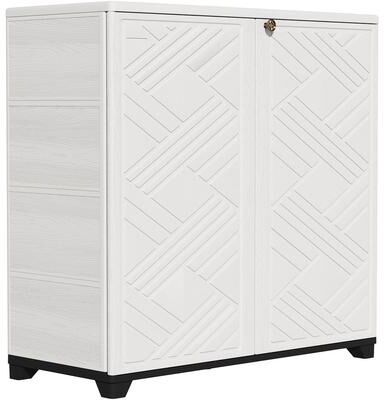
/ 33.5 In Outdoor Storage Cabinet, Patio Shed for Brooms, Trash Bins, Gardening Tools, Pool Supplies,Household Organization1. Versatile Storage Solution for Indoor and Outdoor Spaces Designed to meet a variety of storage needs, this cabinet provides a convenient place for organizing brooms, mops, gardening tools, grilling...272,99 $*Shipping: 0,00 $Secure redirect to the provider
-
How to draw trehalose in a 2-11 glycosidic linkage?
To draw trehalose in a 2-11 glycosidic linkage, start by drawing two glucose molecules. Connect the first glucose molecule's carbon 2 to the second glucose molecule's carbon 1 with a glycosidic bond. This linkage represents the 2-1 glycosidic bond. Next, add another glucose molecule and connect its carbon 1 to the second glucose molecule's carbon 1 with a glycosidic bond. This linkage represents the 1-1 glycosidic bond. This structure represents trehalose in a 2-1,1 glycosidic linkage. **
-
How do you draw trehalose in a 2-11 glycosidic linkage?
To draw trehalose in a 2-11 glycosidic linkage, start by drawing two glucose molecules connected by an alpha-1,1 glycosidic bond. Then, draw another glucose molecule connected to the first glucose molecule in the pair by an alpha-1,2 glycosidic bond. This creates the 2-11 glycosidic linkage in trehalose. The resulting structure should show three glucose molecules connected in a linear fashion with the 2-11 glycosidic linkage between the first and third glucose molecules. **
-
How do you draw trehalose in a 2-11 glycosidic bond?
To draw trehalose in a 2-11 glycosidic bond, you would first draw two glucose molecules connected by an alpha-1,1 glycosidic bond. Then, you would add another glucose molecule to the first glucose molecule in the 2 position, forming a 1,2 glycosidic bond. Finally, you would add the last glucose molecule to the second glucose molecule in the 1 position, forming a 2,1 glycosidic bond. This structure represents trehalose in a 2-11 glycosidic bond. **
-
What are the differences between an ester bond and glycosidic formation?
An ester bond is formed when a carboxyl group of one molecule reacts with a hydroxyl group of another molecule, resulting in the formation of an ester and the release of water. This type of bond is commonly found in lipids and is important for energy storage. On the other hand, glycosidic formation involves the bonding of a sugar molecule to another molecule, typically another sugar or an alcohol, through the reaction between the anomeric carbon of the sugar and a hydroxyl group of the other molecule. This type of bond is important for the formation of carbohydrates and is commonly found in polysaccharides such as starch and cellulose. **
* All prices are inclusive of VAT and, if applicable, plus shipping costs. The offer information is based on the details provided by the respective shop and is updated through automated processes. Real-time updates do not occur, so deviations can occur in individual cases. ** Note: Parts of this content were created by AI.