Buy bqd.eu ?
We are moving the project
bqd.eu .
Are you interested in purchasing the domain
bqd.eu ?
domain@kv-gmbh.de · 0541-91531010
Buy bqd.eu ?
Does dinosaur DNA cross with human DNA?
No, dinosaur DNA does not cross with human DNA. This is because dinosaurs and humans are from completely different evolutionary lineages and are separated by millions of years of evolution. Additionally, dinosaur DNA has not been found intact, as it degrades over time, making it impossible to cross with human DNA. Therefore, there is no scientific evidence to support the idea that dinosaur DNA can cross with human DNA. **
What can DNA companies do with my DNA?
DNA companies can use your DNA for a variety of purposes, including ancestry testing, genetic health risk assessments, and research. They may also share your genetic data with third-party partners for research and development purposes, as well as for law enforcement purposes in the case of criminal investigations. It's important to carefully review the privacy policies of DNA companies to understand how your genetic information may be used and shared. **

Similar search terms for Dna
Top-Angebote
Products related to Dna:
-
Icon Books Junk DNA: A Journey Through the Dark Matter of the Genome by Nessa CareyFor decades, 98 per cent of our DNA was written off as junk on the grounds that it did not code for proteins.From rare genetic diseases to Down s Syndrome, from viral infections to the ageing process, only now are the effects and the vital functions of these junk regions beginning to emerge.Scientists rapidly growing knowledge of this often controversial field has already provided a successful cure for blindness and saved innocent people from death row via DNA fingerprinting, and looks set to revolutionise treatment for many medical conditions including obesity.From Nessa Carey, author of the acclaimed The Epigenetics Revolution, this is the first book for a general readership on a subject that may underpin the secrets of human complexity even the very origins of life on earth.6,45 £*Shipping: 2,99 £Secure redirect to the provider
-
Orion A Brief History of Everyone Who Ever Lived by Adam Rutherford – The Stories in Our DNAA Brief History of Everyone Who Ever Lived by Adam Rutherford This is a story about you.It is the history of who you are and how you came to be. It is unique to you, as it is to each of the 100 billion modern humans who have ever drawn breath. But it is also our collective story, because in every one of our genomes we each carry the history of our species - births, deaths, disease, war, famine, migration and a lot of sex.In this captivating journey through the expanding landscape of genetics, Adam Rutherford reveals what our genes now tell us about human history, and what history can now tell us about our genes. From Neanderthals to murder, from redheads to race, dead kings to plague, evolution to epigenetics, this is a demystifying and illuminating new portrait of who we are and how we came to be.4,95 £*Shipping: 1,99 £Secure redirect to the provider




-
What is DNA, what is DNA made of, and what are the functions of DNA?
DNA, or deoxyribonucleic acid, is a molecule that carries the genetic instructions for the development, functioning, growth, and reproduction of all known living organisms and many viruses. DNA is made up of two long chains of nucleotides twisted into a double helix. Each nucleotide consists of a sugar, a phosphate group, and a nitrogenous base. The functions of DNA include storing and transmitting genetic information, providing the instructions for building and maintaining an organism, and allowing for the inheritance of traits from one generation to the next. **
-
What is DNA?
DNA, or deoxyribonucleic acid, is a molecule that contains the genetic instructions for the development, functioning, growth, and reproduction of all living organisms. It is composed of two strands that coil around each other to form a double helix structure. DNA carries the genetic information in the form of genes, which are segments of DNA that code for specific proteins or traits. This genetic material is passed down from parents to offspring and is responsible for the diversity and inheritance of traits in all living organisms. **
-
Who discovered DNA?
The discovery of DNA is attributed to multiple scientists, but the most famous discovery is often credited to James Watson and Francis Crick. In 1953, they proposed the double helix structure of DNA, which revolutionized our understanding of genetics. However, it's important to note that the understanding of DNA was built upon the work of many scientists, including Rosalind Franklin, Maurice Wilkins, and others who contributed to the discovery of DNA's structure. **
-
What is the difference between DNA hybridization and DNA sequencing?
DNA hybridization is a technique used to determine the similarity between two DNA sequences by allowing them to bind together based on complementary base pairing. This method provides information on the degree of similarity between the sequences. On the other hand, DNA sequencing is a technique used to determine the exact order of nucleotides in a DNA molecule. This method provides the precise sequence of the DNA, allowing for detailed analysis of genetic information. **


How much does human DNA differ between different DNA groups?
Human DNA differs by less than 0.1% between different DNA groups. This means that the vast majority of our DNA is the same across all human populations. The small differences that do exist are what make each individual unique, but they are relatively minor in the grand scheme of things. These differences can be attributed to factors such as genetic mutations and natural selection. **
Is DNA sequencing and DNA sequence analysis the same thing?
No, DNA sequencing and DNA sequence analysis are not the same thing. DNA sequencing is the process of determining the precise order of nucleotides within a DNA molecule, while DNA sequence analysis involves interpreting and analyzing the data obtained from DNA sequencing to identify genes, mutations, or other genetic information. In other words, DNA sequencing is the method used to generate the DNA sequence data, while DNA sequence analysis is the process of interpreting and making sense of that data. **
Top-Angebote
Products related to Dna:
-
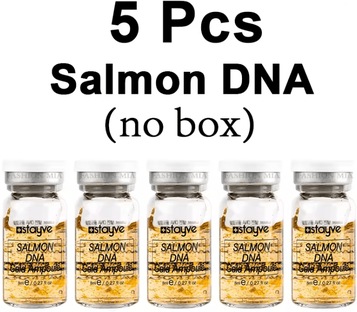
Inspire Essentials Stayve Salmon DNA Gold Ampoule BB Glow Starter Kit 5pcs (no Box)Transform your skincare routine with the Stayve Salmon DNA Gold Ampoule BB Glow Starter Kit, designed for individuals seeking radiant, firm, and youthfullooking skin. This nutrientrich salmon DNA ampoule harnesses PDRN extracted from salmon DNA...47,98 $*Shipping: 0,00 $Secure redirect to the provider
-
Icon Books Junk DNA: A Journey Through the Dark Matter of the Genome by Nessa CareyFor decades, 98 per cent of our DNA was written off as junk on the grounds that it did not code for proteins.From rare genetic diseases to Down s Syndrome, from viral infections to the ageing process, only now are the effects and the vital functions of these junk regions beginning to emerge.Scientists rapidly growing knowledge of this often controversial field has already provided a successful cure for blindness and saved innocent people from death row via DNA fingerprinting, and looks set to revolutionise treatment for many medical conditions including obesity.From Nessa Carey, author of the acclaimed The Epigenetics Revolution, this is the first book for a general readership on a subject that may underpin the secrets of human complexity even the very origins of life on earth.6,45 £*Shipping: 2,99 £Secure redirect to the provider
-
Orion A Brief History of Everyone Who Ever Lived by Adam Rutherford – The Stories in Our DNAA Brief History of Everyone Who Ever Lived by Adam Rutherford This is a story about you.It is the history of who you are and how you came to be. It is unique to you, as it is to each of the 100 billion modern humans who have ever drawn breath. But it is also our collective story, because in every one of our genomes we each carry the history of our species - births, deaths, disease, war, famine, migration and a lot of sex.In this captivating journey through the expanding landscape of genetics, Adam Rutherford reveals what our genes now tell us about human history, and what history can now tell us about our genes. From Neanderthals to murder, from redheads to race, dead kings to plague, evolution to epigenetics, this is a demystifying and illuminating new portrait of who we are and how we came to be.4,95 £*Shipping: 1,99 £Secure redirect to the provider
-
Does dinosaur DNA cross with human DNA?
No, dinosaur DNA does not cross with human DNA. This is because dinosaurs and humans are from completely different evolutionary lineages and are separated by millions of years of evolution. Additionally, dinosaur DNA has not been found intact, as it degrades over time, making it impossible to cross with human DNA. Therefore, there is no scientific evidence to support the idea that dinosaur DNA can cross with human DNA. **
-
What can DNA companies do with my DNA?
DNA companies can use your DNA for a variety of purposes, including ancestry testing, genetic health risk assessments, and research. They may also share your genetic data with third-party partners for research and development purposes, as well as for law enforcement purposes in the case of criminal investigations. It's important to carefully review the privacy policies of DNA companies to understand how your genetic information may be used and shared. **
-
What is DNA, what is DNA made of, and what are the functions of DNA?
DNA, or deoxyribonucleic acid, is a molecule that carries the genetic instructions for the development, functioning, growth, and reproduction of all known living organisms and many viruses. DNA is made up of two long chains of nucleotides twisted into a double helix. Each nucleotide consists of a sugar, a phosphate group, and a nitrogenous base. The functions of DNA include storing and transmitting genetic information, providing the instructions for building and maintaining an organism, and allowing for the inheritance of traits from one generation to the next. **
-
What is DNA?
DNA, or deoxyribonucleic acid, is a molecule that contains the genetic instructions for the development, functioning, growth, and reproduction of all living organisms. It is composed of two strands that coil around each other to form a double helix structure. DNA carries the genetic information in the form of genes, which are segments of DNA that code for specific proteins or traits. This genetic material is passed down from parents to offspring and is responsible for the diversity and inheritance of traits in all living organisms. **
Similar search terms for Dna
-
Who discovered DNA?
The discovery of DNA is attributed to multiple scientists, but the most famous discovery is often credited to James Watson and Francis Crick. In 1953, they proposed the double helix structure of DNA, which revolutionized our understanding of genetics. However, it's important to note that the understanding of DNA was built upon the work of many scientists, including Rosalind Franklin, Maurice Wilkins, and others who contributed to the discovery of DNA's structure. **
-
What is the difference between DNA hybridization and DNA sequencing?
DNA hybridization is a technique used to determine the similarity between two DNA sequences by allowing them to bind together based on complementary base pairing. This method provides information on the degree of similarity between the sequences. On the other hand, DNA sequencing is a technique used to determine the exact order of nucleotides in a DNA molecule. This method provides the precise sequence of the DNA, allowing for detailed analysis of genetic information. **
-
How much does human DNA differ between different DNA groups?
Human DNA differs by less than 0.1% between different DNA groups. This means that the vast majority of our DNA is the same across all human populations. The small differences that do exist are what make each individual unique, but they are relatively minor in the grand scheme of things. These differences can be attributed to factors such as genetic mutations and natural selection. **
-
Is DNA sequencing and DNA sequence analysis the same thing?
No, DNA sequencing and DNA sequence analysis are not the same thing. DNA sequencing is the process of determining the precise order of nucleotides within a DNA molecule, while DNA sequence analysis involves interpreting and analyzing the data obtained from DNA sequencing to identify genes, mutations, or other genetic information. In other words, DNA sequencing is the method used to generate the DNA sequence data, while DNA sequence analysis is the process of interpreting and making sense of that data. **
* All prices are inclusive of VAT and, if applicable, plus shipping costs. The offer information is based on the details provided by the respective shop and is updated through automated processes. Real-time updates do not occur, so deviations can occur in individual cases. ** Note: Parts of this content were created by AI.