Buy bqd.eu ?
We are moving the project
bqd.eu .
Are you interested in purchasing the domain
bqd.eu ?
domain@kv-gmbh.de · 0541-91531010
Buy bqd.eu ?
What are carnivorous animals?
Carnivorous animals are animals that primarily feed on the flesh of other animals. They have evolved to have sharp teeth and claws for hunting and killing prey. Examples of carnivorous animals include lions, tigers, wolves, and eagles. These animals play an important role in maintaining the balance of ecosystems by controlling the population of herbivorous animals. **
Are there carnivorous monkeys?
Yes, there are carnivorous monkeys. One example is the rare and endangered Colombian white-faced capuchin, which has been observed hunting and eating small mammals such as squirrels and birds. Another example is the black-capped capuchin, which has been observed hunting and eating small vertebrates like birds, lizards, and even bats. While most monkeys are primarily herbivorous, there are some species that have been observed exhibiting carnivorous behavior. **

Similar search terms for Carnivorous
Top-Angebote
Products related to Carnivorous:
-
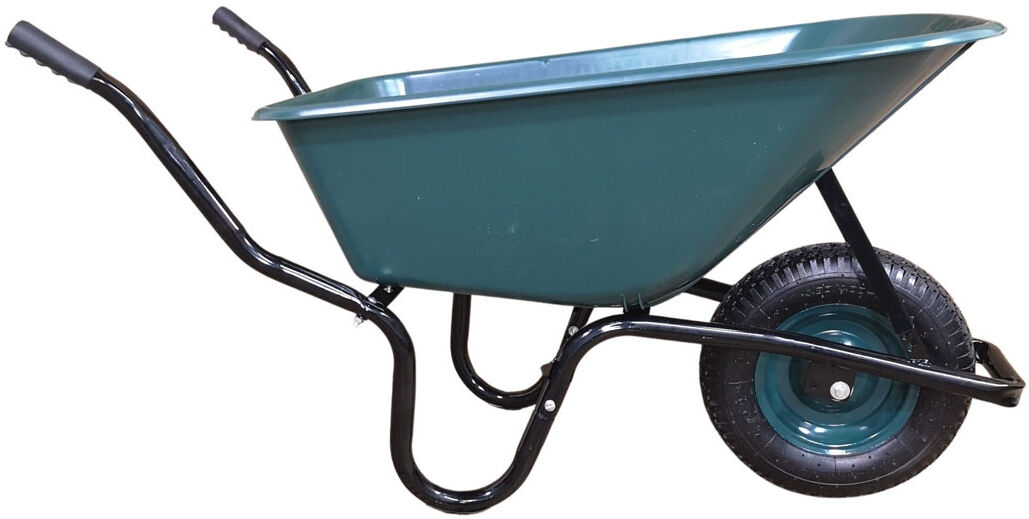
Dakota Fields Gardening Tools Green 35cm H X 94cm L X 35cm DThis Heavy Duty Plastic Garden Wheelbarrow in Green is a reliable and durable option for your outdoor gardening needs. With a generous 110-litre capacity, this wheelbarrow is perfect for moving large amounts of soil, plants, and other garden materials. The plastic used in its construction is 40% thicker than standard, ensuring a long lifespan and resistance to wear and tear. The 15" pneumatic tyre with a green wheel makes maneuvering this wheelbarrow easy and efficient. It can handle a maximum weight of 150kg, making it suitable for a variety of gardening tasks. Assembly is required, but the package comes with a full instruction manual to make it a breeze. The maximum inflation for the tyre is 210KPa / 30P.S.I. The bowl dimensions are approximately 94x54x35cm, while the axle dimensions are an internal hole of 120mm long by 19.5mm wide. This wheelbarrow is a must-have for anyone looking to rearrange their garden this summer! Dakota Fields62,99 £*Shipping: 0,00 £Secure redirect to the provider
-
Blue Elephant Gardening Tools Black 103.1cm H X 48.5cm L X 63.5cm DPrecision Cutting Performance: This 5 blade push reel lawn mower features a 14-inch wide cutting path, providing clean, even cuts for lawns, driveways, and courtyards. Enjoy professional results with every pass using this efficient manual mower Blue Elephant54,99 £*Shipping: 4,99 £Secure redirect to the provider
-
/ 33.5 In Outdoor Storage Cabinet, Patio Shed for Brooms, Trash Bins, Gardening Tools, Pool Supplies,Household Organization1. Versatile Storage Solution for Indoor and Outdoor Spaces Designed to meet a variety of storage needs, this cabinet provides a convenient place for organizing brooms, mops, gardening tools, grilling...272,99 $*Shipping: 0,00 $Secure redirect to the provider


-
Are figs carnivorous plants?
No, figs are not carnivorous plants. Figs are actually a type of fruit that grows on the Ficus tree. They are not capable of trapping, killing, and digesting insects or other small animals like true carnivorous plants such as Venus flytraps or pitcher plants. Figs rely on animals to help with pollination and dispersal of their seeds, but they do not consume animals for nutrients. **
-
Can carnivorous plants poop?
Carnivorous plants do not have a digestive system like animals do, so they do not produce waste in the same way. Instead, they absorb nutrients from the insects and other small organisms they capture and digest. Any undigested parts of their prey are typically left as a husk or excreted in a form that does not resemble animal waste. Therefore, carnivorous plants do not "poop" in the traditional sense. **
-
Representative species of carnivorous plants
Some representative species of carnivorous plants include: 1. Venus flytrap (Dionaea muscipula) 2. Pitcher plant (Nepenthes spp.) 3. Sundew (Drosera spp.) 4. Bladderwort (Utricularia spp.) 5. Cobra plant (Darlingtonia californica) **
-
What is a carnivorous plant?
A carnivorous plant is a type of plant that has adapted to supplement its nutrient intake by trapping and digesting small animals, usually insects. These plants have evolved to grow in environments with poor soil quality, so they have developed the ability to obtain essential nutrients from the bodies of their prey. Carnivorous plants have specialized structures, such as sticky or snap traps, to capture their prey and enzymes to break down the animal's tissues for absorption. Some well-known examples of carnivorous plants include Venus flytraps, pitcher plants, and sundews. **


Do plants eat carnivorous animals?
No, plants do not eat carnivorous animals. Carnivorous plants, such as Venus flytraps and pitcher plants, have evolved to capture and digest small insects and other organisms as a way to supplement their nutrient intake, particularly in nutrient-poor environments. However, they do not actively seek out and consume larger carnivorous animals. Plants primarily obtain their nutrients through photosynthesis and absorption from the soil. **
Do carnivorous plants bite fingers?
No, carnivorous plants do not bite fingers. While some carnivorous plants have mechanisms to trap and digest insects, they are not capable of biting or harming larger organisms like humans. These plants typically use specialized structures such as sticky hairs, pitfall traps, or suction traps to capture their prey. It is important to handle carnivorous plants with care to avoid damaging their delicate structures. **
Top-Angebote
Products related to Carnivorous:
-
Outsunny Gardening Tools Grey 102cm H X 123cm L X 45cm DTake the hassle out of lawn care with this powerful Outsunny electric lawnmower. Its strong motor and long-lasting manganese steel blade cut evenly while the 50L grass bag or mulching mode keeps your garden neat. Adjustable handle and large wheels reduce strain, making mowing effortless and enjoyable. The detachable handle design ensures easy storage, letting you spend more time enjoying your beautiful, healthy lawn with comfort and peace of mind.- Powerful 1800W motor ensures fast, even cutting on small to medium lawns with this electric lawnmower; - 40 cm cutting width and manganese steel blade cover more ground per pass; - 6 adjustable cutting heights (25-75 mm) let you customise lawn appearance by season or grass type; - 50L grass collection bag reduces frequent emptying, while mulching mode returns clippings as natural fertilizer; - Ergonomic handle with 3 height settings (90-100 cm) minimizes back strain during use; - Large rear wheels make pushing and turning the electric lawnmower easy on uneven grass; - Dual safety start prevents accidental activation, keeping users and family protected; - Detachable handle design allows compact storage in garages, sheds, or car trunks;- Colour: Light Grey; - Material: PP, Mn Steel; - Overall Dimension: 123L x 45W x 102H cm; - Collection Bag Capacity: 50L; - Cutting Width: 40 cm; - Cutting Height: 25-75 mm; - Handle Height: 90-100 cm; - Front Wheel Size: Φ16 cm; - Rear Wheel Size: Φ24.5 cm; - Rated Power: 1800W; - Rated Voltage: 230-240V; - Switch to Motor Cable Length: 1.1 m; - Extension Cable Length: 10 m; - Net Weight: 14 kg; - Item Label: 84H-719V70LG; Outsunny115,99 £*Shipping: 0,00 £Secure redirect to the provider
-
Dakota Fields Gardening Tools Green 35cm H X 94cm L X 35cm DThis Heavy Duty Plastic Garden Wheelbarrow in Green is a reliable and durable option for your outdoor gardening needs. With a generous 110-litre capacity, this wheelbarrow is perfect for moving large amounts of soil, plants, and other garden materials. The plastic used in its construction is 40% thicker than standard, ensuring a long lifespan and resistance to wear and tear. The 15" pneumatic tyre with a green wheel makes maneuvering this wheelbarrow easy and efficient. It can handle a maximum weight of 150kg, making it suitable for a variety of gardening tasks. Assembly is required, but the package comes with a full instruction manual to make it a breeze. The maximum inflation for the tyre is 210KPa / 30P.S.I. The bowl dimensions are approximately 94x54x35cm, while the axle dimensions are an internal hole of 120mm long by 19.5mm wide. This wheelbarrow is a must-have for anyone looking to rearrange their garden this summer! Dakota Fields62,99 £*Shipping: 0,00 £Secure redirect to the provider
-
Blue Elephant Gardening Tools Black 103.1cm H X 48.5cm L X 63.5cm DPrecision Cutting Performance: This 5 blade push reel lawn mower features a 14-inch wide cutting path, providing clean, even cuts for lawns, driveways, and courtyards. Enjoy professional results with every pass using this efficient manual mower Blue Elephant54,99 £*Shipping: 4,99 £Secure redirect to the provider
-
What are carnivorous animals?
Carnivorous animals are animals that primarily feed on the flesh of other animals. They have evolved to have sharp teeth and claws for hunting and killing prey. Examples of carnivorous animals include lions, tigers, wolves, and eagles. These animals play an important role in maintaining the balance of ecosystems by controlling the population of herbivorous animals. **
-
Are there carnivorous monkeys?
Yes, there are carnivorous monkeys. One example is the rare and endangered Colombian white-faced capuchin, which has been observed hunting and eating small mammals such as squirrels and birds. Another example is the black-capped capuchin, which has been observed hunting and eating small vertebrates like birds, lizards, and even bats. While most monkeys are primarily herbivorous, there are some species that have been observed exhibiting carnivorous behavior. **
-
Are figs carnivorous plants?
No, figs are not carnivorous plants. Figs are actually a type of fruit that grows on the Ficus tree. They are not capable of trapping, killing, and digesting insects or other small animals like true carnivorous plants such as Venus flytraps or pitcher plants. Figs rely on animals to help with pollination and dispersal of their seeds, but they do not consume animals for nutrients. **
-
Can carnivorous plants poop?
Carnivorous plants do not have a digestive system like animals do, so they do not produce waste in the same way. Instead, they absorb nutrients from the insects and other small organisms they capture and digest. Any undigested parts of their prey are typically left as a husk or excreted in a form that does not resemble animal waste. Therefore, carnivorous plants do not "poop" in the traditional sense. **
Similar search terms for Carnivorous
-
/ 33.5 In Outdoor Storage Cabinet, Patio Shed for Brooms, Trash Bins, Gardening Tools, Pool Supplies,Household Organization1. Versatile Storage Solution for Indoor and Outdoor Spaces Designed to meet a variety of storage needs, this cabinet provides a convenient place for organizing brooms, mops, gardening tools, grilling...272,99 $*Shipping: 0,00 $Secure redirect to the provider
-
Kings County Tools 11.75-inch Heavy Duty Waxed Canvas Tool Bag or Garden Caddy for Gardening SuppliesEasily organize and transport your most used hand tools or garden supplies with the Waxed Canvas Doctor’s Style Tool Bag by Kings County Tools.58,99 $*Shipping: 0,00 $Secure redirect to the provider
-
On Spot Shop Smokeless Aesthetic Candle Scented Candles Decoration Christmas Handmade DIY Home Room Decor Tools Accessories lemonIgnite your creativity and transform any space into a sanctuary of calm and style. Our Handmade DIY Scented Candles set is your allinone toolkit for crafting a personalized, cozy ambiance. With 26 unique shapes to choose from, you can mix and match...32,97 $*Shipping: 0,00 $Secure redirect to the provider
-
Representative species of carnivorous plants
Some representative species of carnivorous plants include: 1. Venus flytrap (Dionaea muscipula) 2. Pitcher plant (Nepenthes spp.) 3. Sundew (Drosera spp.) 4. Bladderwort (Utricularia spp.) 5. Cobra plant (Darlingtonia californica) **
-
What is a carnivorous plant?
A carnivorous plant is a type of plant that has adapted to supplement its nutrient intake by trapping and digesting small animals, usually insects. These plants have evolved to grow in environments with poor soil quality, so they have developed the ability to obtain essential nutrients from the bodies of their prey. Carnivorous plants have specialized structures, such as sticky or snap traps, to capture their prey and enzymes to break down the animal's tissues for absorption. Some well-known examples of carnivorous plants include Venus flytraps, pitcher plants, and sundews. **
-
Do plants eat carnivorous animals?
No, plants do not eat carnivorous animals. Carnivorous plants, such as Venus flytraps and pitcher plants, have evolved to capture and digest small insects and other organisms as a way to supplement their nutrient intake, particularly in nutrient-poor environments. However, they do not actively seek out and consume larger carnivorous animals. Plants primarily obtain their nutrients through photosynthesis and absorption from the soil. **
-
Do carnivorous plants bite fingers?
No, carnivorous plants do not bite fingers. While some carnivorous plants have mechanisms to trap and digest insects, they are not capable of biting or harming larger organisms like humans. These plants typically use specialized structures such as sticky hairs, pitfall traps, or suction traps to capture their prey. It is important to handle carnivorous plants with care to avoid damaging their delicate structures. **
* All prices are inclusive of VAT and, if applicable, plus shipping costs. The offer information is based on the details provided by the respective shop and is updated through automated processes. Real-time updates do not occur, so deviations can occur in individual cases. ** Note: Parts of this content were created by AI.