Buy bqd.eu ?
We are moving the project
bqd.eu .
Are you interested in purchasing the domain
bqd.eu ?
domain@kv-gmbh.de · 0541-91531010
Buy bqd.eu ?
Where to dispose of unwanted furniture/bulky waste?
Unwanted furniture and bulky waste can be disposed of at local recycling centers, landfills, or through special collection services provided by your city or waste management company. Many communities also have designated drop-off locations for large items such as furniture, mattresses, and appliances. It's important to check with your local waste management authority for specific guidelines and options for disposing of bulky waste in an environmentally responsible manner. Additionally, consider donating usable items to local charities or thrift stores to give them a second life. **
Organic waste or residual waste?
Organic waste refers to biodegradable waste such as food scraps, yard waste, and paper products, which can be composted or converted into energy through anaerobic digestion. Residual waste, on the other hand, refers to non-recyclable and non-compostable waste that is typically sent to landfills or incinerated. When it comes to managing waste, it is important to prioritize the reduction and proper disposal of organic waste through composting and recycling, as it can have a more positive environmental impact compared to residual waste. **


Similar search terms for Waste
Top-Angebote
Products related to Waste:
-
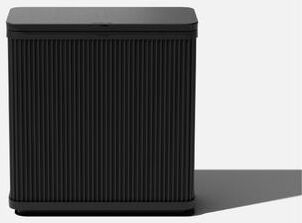
Living and Home Plastic Touch Top Waste Bin White 32Elevate everyday tidiness with effortless style! This rubbish bin features a sleek, understated design that blends seamlessly into kitchens, living rooms, or offices. Its wide opening easily accommodates food waste and bulky items, while the capacity meets daily household needs. The innovative dual-opening lid offers two convenient options: a top press-to-open mechanism with a built-in spring for easy use and a front push-panel opening that lets trash slide in without touching the lid—keeping hands clean and odours locked in. Moreover, the tall shape allows for no-bend disposal, combining practicality with thoughtful design. Living and Home Capacity: 32, Colour: White67,88 £*Shipping: 0,00 £Secure redirect to the provider
-
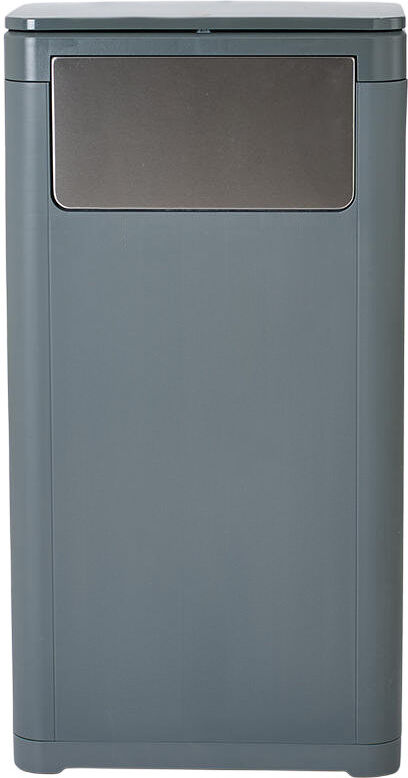
Living and Home Plastic Touch Top Waste Bin Grey 32Elevate everyday tidiness with effortless style! This rubbish bin features a sleek, understated design that blends seamlessly into kitchens, living rooms, or offices. Its wide opening easily accommodates food waste and bulky items, while the capacity meets daily household needs. The innovative dual-opening lid offers two convenient options: a top press-to-open mechanism with a built-in spring for easy use and a front push-panel opening that lets trash slide in without touching the lid—keeping hands clean and odours locked in. Moreover, the tall shape allows for no-bend disposal, combining practicality with thoughtful design. Living and Home Capacity: 32, Colour: Grey68,99 £*Shipping: 0,00 £Secure redirect to the provider


-
Is smart home a waste of electricity?
Smart home technology can actually help reduce electricity waste by allowing users to monitor and control their energy usage more efficiently. For example, smart thermostats can adjust the temperature based on occupancy and weather conditions, while smart lighting systems can be programmed to turn off when not in use. Additionally, smart home devices can provide insights into energy usage patterns, helping users make more informed decisions about their consumption. Overall, when used thoughtfully, smart home technology can actually help reduce electricity waste. **
-
Does waste reduction go beyond waste recycling?
Yes, waste reduction goes beyond waste recycling. While recycling is an important part of waste management, waste reduction focuses on minimizing the amount of waste produced in the first place. This can be achieved through practices such as reducing packaging, reusing items, and implementing more sustainable production processes. By focusing on waste reduction, we can decrease the overall environmental impact of waste and move towards a more circular and sustainable economy. **
-
Is it aluminum waste or plastic waste?
Without more specific information, it is impossible to determine whether the waste in question is aluminum or plastic. Both aluminum and plastic waste are common in many different forms, such as packaging, containers, and disposable items. To accurately identify the type of waste, it would be necessary to visually inspect the item or have more detailed information about its characteristics. **
-
What is worse: packaging waste or food waste?
Both packaging waste and food waste have negative environmental impacts, but packaging waste may be considered worse in some ways. Packaging waste contributes to pollution and takes up space in landfills, and the production of packaging materials can also have a significant carbon footprint. On the other hand, food waste contributes to greenhouse gas emissions when it decomposes in landfills, and it also represents a waste of resources such as water and energy that were used to produce the food. Ultimately, both types of waste are concerning and efforts should be made to reduce both. **

What are additional waste bags for residual waste?
Additional waste bags for residual waste are extra bags that can be used to contain any remaining non-recyclable waste that does not fit into the regular waste bin. These bags are typically used when there is an overflow of residual waste or when the regular waste bin is full. They are designed to be durable and leak-proof to prevent any spillage or mess. Additional waste bags for residual waste are an important tool for managing and disposing of non-recyclable waste in a sanitary and efficient manner. **
What is the difference between residual waste and organic waste?
Residual waste, also known as general waste, refers to non-recyclable and non-hazardous waste that is typically sent to landfills or incinerators. This includes materials such as plastic, rubber, and textiles. On the other hand, organic waste consists of biodegradable materials such as food scraps, yard waste, and paper products. Unlike residual waste, organic waste can be composted and turned into nutrient-rich soil. Additionally, organic waste produces methane gas when sent to landfills, making it a significant contributor to greenhouse gas emissions. **
Top-Angebote
Products related to Waste:
-
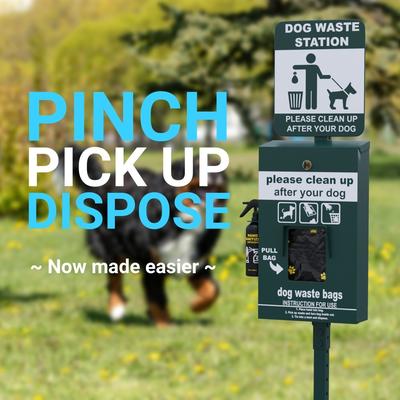
Lancaster Home Mini Pet Waste Station with Roll Waste Bag Dispenser-Hand Sanitizer BottleWhile daily walks are a great source of fun exercise for both man and man's best friend, they also help mother nature along which can lead to unplanned stops along favorite walking routes.160,99 $*Shipping: 0,00 $Secure redirect to the provider
-
Tools, Home & Hobby Lavender Scented Biodegradable Dog Poop Bags 270 Count Leak Proof Pet Waste Bags Lavender Scented Biodegradable Dog Poop Bags 270 Count Leak Proof Pet Waste BagsKeep every pet cleanup simple, fresh, and stressfree with reliable waste bags designed for responsible pet owners. These dog poop bags feature a thick HDPE construction with a leakproof design to safely handle daily messes from dogs and cats. Made...39,97 $*Shipping: 0,00 $Secure redirect to the provider
-
Where to dispose of unwanted furniture/bulky waste?
Unwanted furniture and bulky waste can be disposed of at local recycling centers, landfills, or through special collection services provided by your city or waste management company. Many communities also have designated drop-off locations for large items such as furniture, mattresses, and appliances. It's important to check with your local waste management authority for specific guidelines and options for disposing of bulky waste in an environmentally responsible manner. Additionally, consider donating usable items to local charities or thrift stores to give them a second life. **
-
Organic waste or residual waste?
Organic waste refers to biodegradable waste such as food scraps, yard waste, and paper products, which can be composted or converted into energy through anaerobic digestion. Residual waste, on the other hand, refers to non-recyclable and non-compostable waste that is typically sent to landfills or incinerated. When it comes to managing waste, it is important to prioritize the reduction and proper disposal of organic waste through composting and recycling, as it can have a more positive environmental impact compared to residual waste. **
-
Is smart home a waste of electricity?
Smart home technology can actually help reduce electricity waste by allowing users to monitor and control their energy usage more efficiently. For example, smart thermostats can adjust the temperature based on occupancy and weather conditions, while smart lighting systems can be programmed to turn off when not in use. Additionally, smart home devices can provide insights into energy usage patterns, helping users make more informed decisions about their consumption. Overall, when used thoughtfully, smart home technology can actually help reduce electricity waste. **
-
Does waste reduction go beyond waste recycling?
Yes, waste reduction goes beyond waste recycling. While recycling is an important part of waste management, waste reduction focuses on minimizing the amount of waste produced in the first place. This can be achieved through practices such as reducing packaging, reusing items, and implementing more sustainable production processes. By focusing on waste reduction, we can decrease the overall environmental impact of waste and move towards a more circular and sustainable economy. **
Similar search terms for Waste
-
Living and Home Plastic Touch Top Waste Bin White 32Elevate everyday tidiness with effortless style! This rubbish bin features a sleek, understated design that blends seamlessly into kitchens, living rooms, or offices. Its wide opening easily accommodates food waste and bulky items, while the capacity meets daily household needs. The innovative dual-opening lid offers two convenient options: a top press-to-open mechanism with a built-in spring for easy use and a front push-panel opening that lets trash slide in without touching the lid—keeping hands clean and odours locked in. Moreover, the tall shape allows for no-bend disposal, combining practicality with thoughtful design. Living and Home Capacity: 32, Colour: White67,88 £*Shipping: 0,00 £Secure redirect to the provider
-
Living and Home Plastic Touch Top Waste Bin Grey 32Elevate everyday tidiness with effortless style! This rubbish bin features a sleek, understated design that blends seamlessly into kitchens, living rooms, or offices. Its wide opening easily accommodates food waste and bulky items, while the capacity meets daily household needs. The innovative dual-opening lid offers two convenient options: a top press-to-open mechanism with a built-in spring for easy use and a front push-panel opening that lets trash slide in without touching the lid—keeping hands clean and odours locked in. Moreover, the tall shape allows for no-bend disposal, combining practicality with thoughtful design. Living and Home Capacity: 32, Colour: Grey68,99 £*Shipping: 0,00 £Secure redirect to the provider
-
Lancaster Home Mini Pet Waste Station-Pull Out Waste Bag Dispenser-Hand Sanitizer BottleWhile daily walks are a great source of fun exercise for both man and man's best friend, they also help mother nature along which can lead to unplanned stops along favorite walking routes.166,99 $*Shipping: 0,00 $Secure redirect to the provider
-
Is it aluminum waste or plastic waste?
Without more specific information, it is impossible to determine whether the waste in question is aluminum or plastic. Both aluminum and plastic waste are common in many different forms, such as packaging, containers, and disposable items. To accurately identify the type of waste, it would be necessary to visually inspect the item or have more detailed information about its characteristics. **
-
What is worse: packaging waste or food waste?
Both packaging waste and food waste have negative environmental impacts, but packaging waste may be considered worse in some ways. Packaging waste contributes to pollution and takes up space in landfills, and the production of packaging materials can also have a significant carbon footprint. On the other hand, food waste contributes to greenhouse gas emissions when it decomposes in landfills, and it also represents a waste of resources such as water and energy that were used to produce the food. Ultimately, both types of waste are concerning and efforts should be made to reduce both. **
-
What are additional waste bags for residual waste?
Additional waste bags for residual waste are extra bags that can be used to contain any remaining non-recyclable waste that does not fit into the regular waste bin. These bags are typically used when there is an overflow of residual waste or when the regular waste bin is full. They are designed to be durable and leak-proof to prevent any spillage or mess. Additional waste bags for residual waste are an important tool for managing and disposing of non-recyclable waste in a sanitary and efficient manner. **
-
What is the difference between residual waste and organic waste?
Residual waste, also known as general waste, refers to non-recyclable and non-hazardous waste that is typically sent to landfills or incinerators. This includes materials such as plastic, rubber, and textiles. On the other hand, organic waste consists of biodegradable materials such as food scraps, yard waste, and paper products. Unlike residual waste, organic waste can be composted and turned into nutrient-rich soil. Additionally, organic waste produces methane gas when sent to landfills, making it a significant contributor to greenhouse gas emissions. **
* All prices are inclusive of VAT and, if applicable, plus shipping costs. The offer information is based on the details provided by the respective shop and is updated through automated processes. Real-time updates do not occur, so deviations can occur in individual cases. ** Note: Parts of this content were created by AI.