Buy bqd.eu ?
We are moving the project
bqd.eu .
Are you interested in purchasing the domain
bqd.eu ?
domain@kv-gmbh.de · 0541-91531010
Buy bqd.eu ?
Which network should one use at home - public network, home network, or work network? Which is the safest?
For optimal security, it is recommended to use a home network at home. Home networks are typically more secure than public networks, as they are password-protected and offer more control over who can access the network. Public networks, such as those found in cafes or airports, are the least secure option as they are open to anyone and can be easily compromised by hackers. Work networks are secure but are typically designed for work-related activities and may have restrictions on personal use. **
Which network should one use at home - public network, home network, or workplace network? Which is the safest?
For optimal security, it is recommended to use a home network at home. Home networks are typically more secure than public networks as they are password-protected and controlled by the user. Workplace networks can also be secure, but they may have additional restrictions and monitoring in place. Public networks, such as those in cafes or airports, are the least secure option as they are open to anyone and can be easily compromised by hackers. **


Similar search terms for Network
Top-Angebote
Products related to Network:
-
Epson ELPAP11 Network AdapterUSB-based wireless network adapter enabling Wi-Fi and Miracast connectivity for projectors. Supports 5 GHz frequency band for reliable media streaming. Compatible with 40+ Epson projector models including PowerLite and BrightLink series.121,99 £*Shipping: 0,00 £Secure redirect to the provider
-
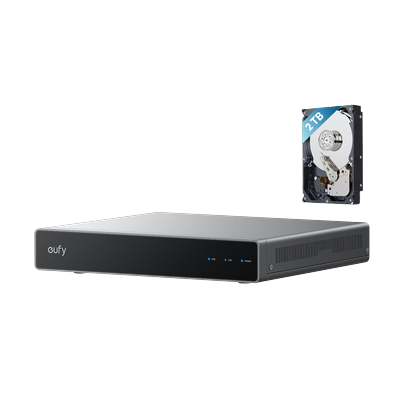
eufy Network Video Recorder S4 for Home Security CamerasLocal AI Agent: Unlock proactive, real-time security with our local AI agent, fueled by 6T/8-Core power for instant analysis, genuine threat identification, and decisive action. Customize no-go zones and alerts, enabling AI to accurately detect real...599,99 $*Shipping: 0,00 $Secure redirect to the provider
-
eufy Network Video Recorder E50On-Device AI Agent: Upgrade to smart, real-time security with a local AI agent that enables instant analysis, genuine threat identification, and decisive action for secure, cloud-free security that's completely subscription-free. Customisable No-Go Zones and alerts empower your security system to accurately detect real danger and ensure tailored responses Free AI-Powered Video Finder: Instantly find what you're looking for by searching with keywords to avoid scrolling through hours of footage. Easy Setup: Just one network cable connects each eufy PoE camera to the NVR for power and video, making setup a breeze. Wide Compatibility: Works with other eufy security cameras and devices (Wi-Fi module required), ensuring seamless integration with your existing eufy security setup. Compatible with Alexa and Google Assistant. Only for eufy Cameras: Designed exclusively for eufy cameras to ensure optimal performance and integration. Effortless Remote Control: Experience AI-powered remote access with eufy NVR E50 for smarter 24/7 surveillance and flexible streaming. 24/7 Recording, Expandable Security: The 8-port NVR supports up to 8 cameras and is expandable to 16 channels via a PoE switch. Supports HDD storage up to 16TB for continuous 24/7 local recording. Add more eufy PoE cameras to expand wired coverage, or connect Wi-Fi cameras via eufy Wi-Fi Module (sold separately) to expand your coverage.319,00 £*Shipping: 0,00 £Secure redirect to the provider


-
Which network should one use at home - public network, home network, or work network? Which is the most secure?
For optimal security at home, it is recommended to use the home network. Home networks are typically more secure than public networks as they are private and can be customized with security measures such as strong passwords and encryption. Work networks are also secure, but they are designed for professional use and may have restrictions that limit personal activities. Overall, the home network is the most secure option for personal use. **
-
Which network should one use at home - public network, home network, or workplace network? Which is the most secure?
For the highest level of security, it is recommended to use a home network at home. Home networks are typically more secure than public networks, as they are controlled and managed by the homeowner. Workplace networks can also be secure, but they may have additional security measures in place that could restrict certain activities. Public networks, such as those found in cafes or airports, are the least secure option as they are open to anyone and can be more easily compromised by hackers. **
-
Which network should one use at home - public network, home network, or workplace network? Which one is the most secure?
For the highest level of security, it is recommended to use a home network at home. Home networks are typically more secure than public networks, as they are controlled and managed by the user. Workplace networks can also be secure, but they may have additional security measures in place that could restrict certain activities. Public networks, such as those found in cafes or airports, are the least secure option as they are open to anyone and can be more easily compromised by hackers. **
-
How can a home network be compromised?
A home network can be compromised in several ways. One common method is through weak or default passwords on routers and other network devices, which can be easily guessed or exploited by attackers. Another way is through phishing emails or malicious websites that trick users into revealing their network credentials. Additionally, outdated software and firmware on network devices can contain security vulnerabilities that can be exploited by attackers. Finally, physical access to network devices, such as a hacker gaining access to a home's router, can also compromise a home network. **


How do you wire a home network?
To wire a home network, you will need to plan the layout of your network, including the location of your router and the placement of Ethernet cables. Next, you will need to run Ethernet cables from the router to the various rooms in your home where you want to have network access. You can do this by either running the cables through the walls and ceilings or using surface-mounted cable channels. Once the cables are in place, you can connect them to wall jacks or directly to devices such as computers or smart TVs. Finally, you will need to configure your router and devices to ensure they are all connected to the network. **
How can I create a home network subnet?
To create a home network subnet, you can start by accessing your router's settings through a web browser. Look for the LAN settings or DHCP settings in the router's configuration page. From there, you can set up a new subnet by changing the subnet mask to divide your network into smaller segments. Assign IP addresses within the new subnet range to devices connected to that segment. Make sure to save the changes and restart your router for the new subnet to take effect. **
Top-Angebote
Products related to Network:
-
Uplifted Finds Rustic Wooden WiFi Password Sign Vintage Wall Mounted Wireless Network Plaque Home Decor Rustic Wooden WiFi Password Sign Vintage Wall Mounted Wireless Network Plaque Home DecorKeep your guests connected in style with this Rustic Wooden WiFi Password Sign! Crafted with a charming vintage aesthetic, this decorative wall plaque features a classic chalkboardstyle surface that lets you easily write, erase, and update your...37,97 $*Shipping: 0,00 $Secure redirect to the provider
-
Epson ELPAP11 Network AdapterUSB-based wireless network adapter enabling Wi-Fi and Miracast connectivity for projectors. Supports 5 GHz frequency band for reliable media streaming. Compatible with 40+ Epson projector models including PowerLite and BrightLink series.121,99 £*Shipping: 0,00 £Secure redirect to the provider
-
eufy Network Video Recorder S4 for Home Security CamerasLocal AI Agent: Unlock proactive, real-time security with our local AI agent, fueled by 6T/8-Core power for instant analysis, genuine threat identification, and decisive action. Customize no-go zones and alerts, enabling AI to accurately detect real...599,99 $*Shipping: 0,00 $Secure redirect to the provider
-
Which network should one use at home - public network, home network, or work network? Which is the safest?
For optimal security, it is recommended to use a home network at home. Home networks are typically more secure than public networks, as they are password-protected and offer more control over who can access the network. Public networks, such as those found in cafes or airports, are the least secure option as they are open to anyone and can be easily compromised by hackers. Work networks are secure but are typically designed for work-related activities and may have restrictions on personal use. **
-
Which network should one use at home - public network, home network, or workplace network? Which is the safest?
For optimal security, it is recommended to use a home network at home. Home networks are typically more secure than public networks as they are password-protected and controlled by the user. Workplace networks can also be secure, but they may have additional restrictions and monitoring in place. Public networks, such as those in cafes or airports, are the least secure option as they are open to anyone and can be easily compromised by hackers. **
-
Which network should one use at home - public network, home network, or work network? Which is the most secure?
For optimal security at home, it is recommended to use the home network. Home networks are typically more secure than public networks as they are private and can be customized with security measures such as strong passwords and encryption. Work networks are also secure, but they are designed for professional use and may have restrictions that limit personal activities. Overall, the home network is the most secure option for personal use. **
-
Which network should one use at home - public network, home network, or workplace network? Which is the most secure?
For the highest level of security, it is recommended to use a home network at home. Home networks are typically more secure than public networks, as they are controlled and managed by the homeowner. Workplace networks can also be secure, but they may have additional security measures in place that could restrict certain activities. Public networks, such as those found in cafes or airports, are the least secure option as they are open to anyone and can be more easily compromised by hackers. **
Similar search terms for Network
-
eufy Network Video Recorder E50On-Device AI Agent: Upgrade to smart, real-time security with a local AI agent that enables instant analysis, genuine threat identification, and decisive action for secure, cloud-free security that's completely subscription-free. Customisable No-Go Zones and alerts empower your security system to accurately detect real danger and ensure tailored responses Free AI-Powered Video Finder: Instantly find what you're looking for by searching with keywords to avoid scrolling through hours of footage. Easy Setup: Just one network cable connects each eufy PoE camera to the NVR for power and video, making setup a breeze. Wide Compatibility: Works with other eufy security cameras and devices (Wi-Fi module required), ensuring seamless integration with your existing eufy security setup. Compatible with Alexa and Google Assistant. Only for eufy Cameras: Designed exclusively for eufy cameras to ensure optimal performance and integration. Effortless Remote Control: Experience AI-powered remote access with eufy NVR E50 for smarter 24/7 surveillance and flexible streaming. 24/7 Recording, Expandable Security: The 8-port NVR supports up to 8 cameras and is expandable to 16 channels via a PoE switch. Supports HDD storage up to 16TB for continuous 24/7 local recording. Add more eufy PoE cameras to expand wired coverage, or connect Wi-Fi cameras via eufy Wi-Fi Module (sold separately) to expand your coverage.319,00 £*Shipping: 0,00 £Secure redirect to the provider
-
Uplift Picks Rustic Wooden WiFi Password Sign For Easy Guest Network Sharing Decor Rustic Wooden WiFi Password Sign For Easy Guest Network Sharing DecorWelcome visitors with connection details they can find without asking. This WiFi password sign provides a clear place to display your network name and password while adding rustic charm to the room. The wooden plaque works as practical guest room...45,48 $*Shipping: 0,00 $Secure redirect to the provider
-
Cables Direct Cat5e UTP 10m White Network Cable - Network Cables (10m, RJ-45, RJ-45, White)Our budget-friendly 10/100 network cables deliver high performance at a lower cost, maintaining 4 unshielded twisted pairs. Note that while this meets CAT5e specifications, it uses CCA and is not suitable for POE applications.11,99 £*Shipping: 0,00 £Secure redirect to the provider
-
Which network should one use at home - public network, home network, or workplace network? Which one is the most secure?
For the highest level of security, it is recommended to use a home network at home. Home networks are typically more secure than public networks, as they are controlled and managed by the user. Workplace networks can also be secure, but they may have additional security measures in place that could restrict certain activities. Public networks, such as those found in cafes or airports, are the least secure option as they are open to anyone and can be more easily compromised by hackers. **
-
How can a home network be compromised?
A home network can be compromised in several ways. One common method is through weak or default passwords on routers and other network devices, which can be easily guessed or exploited by attackers. Another way is through phishing emails or malicious websites that trick users into revealing their network credentials. Additionally, outdated software and firmware on network devices can contain security vulnerabilities that can be exploited by attackers. Finally, physical access to network devices, such as a hacker gaining access to a home's router, can also compromise a home network. **
-
How do you wire a home network?
To wire a home network, you will need to plan the layout of your network, including the location of your router and the placement of Ethernet cables. Next, you will need to run Ethernet cables from the router to the various rooms in your home where you want to have network access. You can do this by either running the cables through the walls and ceilings or using surface-mounted cable channels. Once the cables are in place, you can connect them to wall jacks or directly to devices such as computers or smart TVs. Finally, you will need to configure your router and devices to ensure they are all connected to the network. **
-
How can I create a home network subnet?
To create a home network subnet, you can start by accessing your router's settings through a web browser. Look for the LAN settings or DHCP settings in the router's configuration page. From there, you can set up a new subnet by changing the subnet mask to divide your network into smaller segments. Assign IP addresses within the new subnet range to devices connected to that segment. Make sure to save the changes and restart your router for the new subnet to take effect. **
* All prices are inclusive of VAT and, if applicable, plus shipping costs. The offer information is based on the details provided by the respective shop and is updated through automated processes. Real-time updates do not occur, so deviations can occur in individual cases. ** Note: Parts of this content were created by AI.